 Göreme City Guide
Cappadocia in Winter: Snow, Balloons and the Quiet Months
On this Göreme city guide, Cappadocia in winter is a trade. You give up warm afternoons and long daylight and you get snow on the fairy chimneys, valleys with almost nobody in them, and cave rooms that finally make sense. The balloon fleet flies all year, launching at dawn whenever the civil aviation authority clears the morning, and a weather cancellation means a full refund. The museums and underground cities stay open every day, though hours can shift for the season and some side chapels are closed for restoration whatever the month. This guide works through the climate numbers month by month, explains how winter flying actually works, lists what closes and what shrinks, and ends with a plain verdict on who the season suits. Start with when to visit Cappadocia if you are still choosing a month.
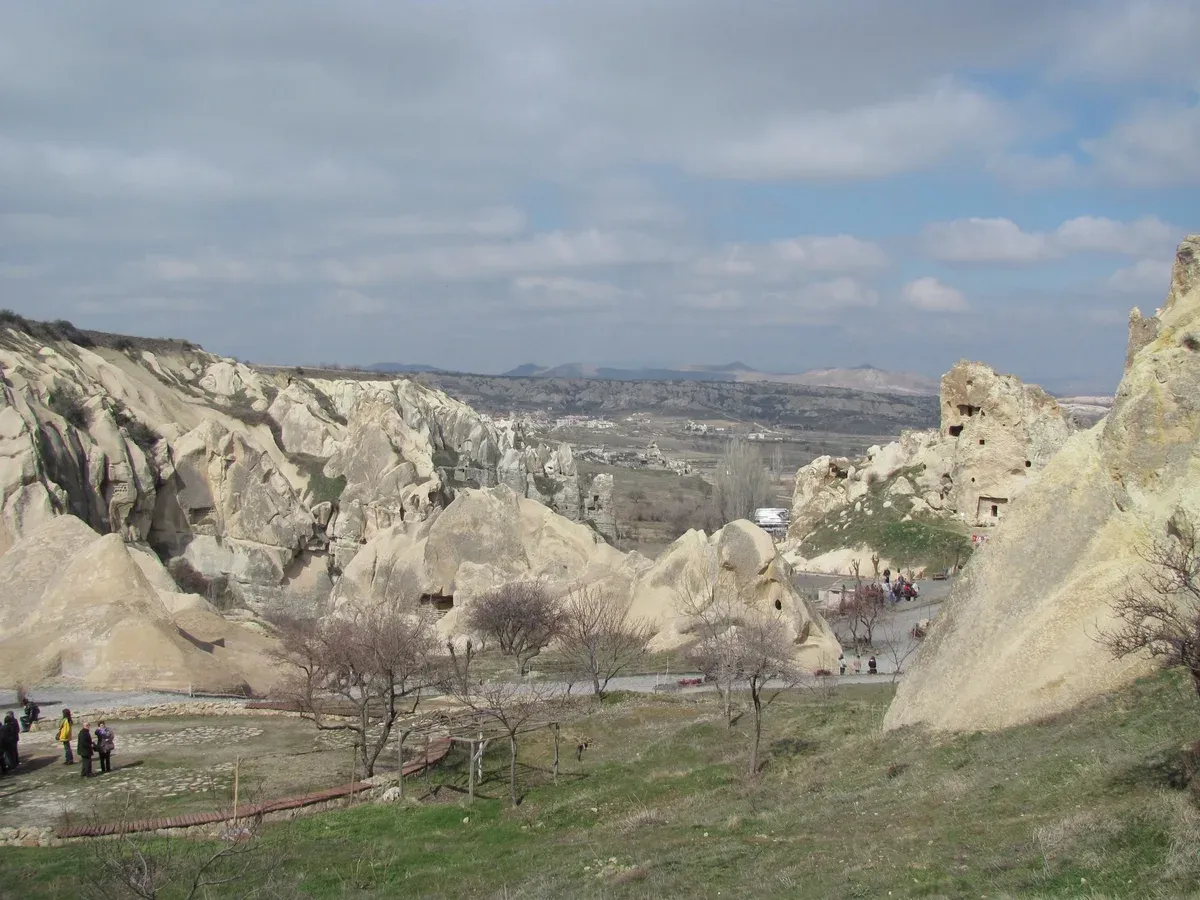
Photo: Slyronit, CC BY-SA 4.0, via Wikimedia Commons
Quick answer Is winter a good time for Cappadocia?
Winter suits travellers who want empty valleys, snow-dusted rock formations and warm cave rooms, and it punishes anyone who needs a guaranteed balloon flight. The fleets fly year round and about 260 days a year are flyable across all weather, so a clear winter dawn will almost certainly launch. But snowy or foggy dawns are cancelled, and if the weather goes against your only morning, the flight is gone. The refund is full, the landscape is still there, and a sunrise balloon flight on a clear cold morning over white valleys is one of the finest mornings the region offers.
Key takeaways
- December to February nights fall below freezing as a matter of routine, with January the coldest month at an average low of -4.4°C.
- Balloons fly all year and about 260 days a year are flyable, so a clear winter dawn very often launches.
- A weather cancellation means a full refund, so book two or three mornings if the flight matters to you.
- Museums and underground cities open daily, but winter hours are announced separately, so check the official page the week you travel.
- Compare winter with every other season in our best time to visit guide before you lock in dates.
What Winter Actually Measures
The honest way to plan a winter trip is to read the climate data first and let the romance follow. The figures below are ERA5 climate normals for the Göreme grid cell, covering 1995 to 2024, so they describe what the plateau around Göreme actually does rather than what a brochure hopes. Göreme sits at roughly 1,100 metres elevation in the middle of Anatolia, far from any moderating sea, and the numbers show it.
December has an average high of 7.8°C and an average low of -2.2°C, with precipitation landing on 8.4 days of the month. January is the coldest month: an average high of just 5.5°C and an average low of -4.4°C, with 9.0 precipitation days. February eases slightly to a high of 7.4°C and a low of -3.9°C, with 7.6 precipitation days.
Three patterns matter for a visitor. First, freezing nights are the norm from December through February, so every morning starts with frost or snow on the ground and any water on the trails can ice over. Second, daytime highs hold in single digits all winter, which is cold enough to keep the snow from melting fast in the shade but mild enough for a brisk valley walk in a good coat. Third, precipitation lands on roughly a third of winter days, which is why the weather system that clears each balloon dawn matters so much here. The shoulders frame the season well. November averages a high of 13.0°C and a low of 0.8°C. March averages 11.5°C and -0.7°C but is the wettest of the cold months, with 11.0 precipitation days, so late winter can feel raw even as the light improves.
November to March, Month by Month
The table compares the five months around midwinter using ERA5 climate normals for the Göreme grid cell, 1995 to 2024, plus a short practical read for each. Figures are thirty-year averages for the grid cell, not a forecast for any given week. in Q3 2026
| Month | High | Low | Wet days | The read |
|---|---|---|---|---|
| November | 13.0°C | 0.8°C | 5.3 | The gentlest entry to the cold. Days still feel autumnal and the valleys are already quiet. |
| December | 7.8°C | -2.2°C | 8.4 | Real winter arrives. Snow is possible on the chimneys and the first hard frosts set in. |
| January | 5.5°C | -4.4°C | 9.0 | The coldest and snowiest of the run. Pack for deep cold at every dawn launch. |
| February | 7.4°C | -3.9°C | 7.6 | Slightly milder than January with a similar character. Clear high-pressure dawns are common. |
| March | 11.5°C | -0.7°C | 11.0 | The wettest of the cold months and changeable, but the days lengthen fast. |
Precipitation days count days with measurable precipitation of any kind, rain or snow.
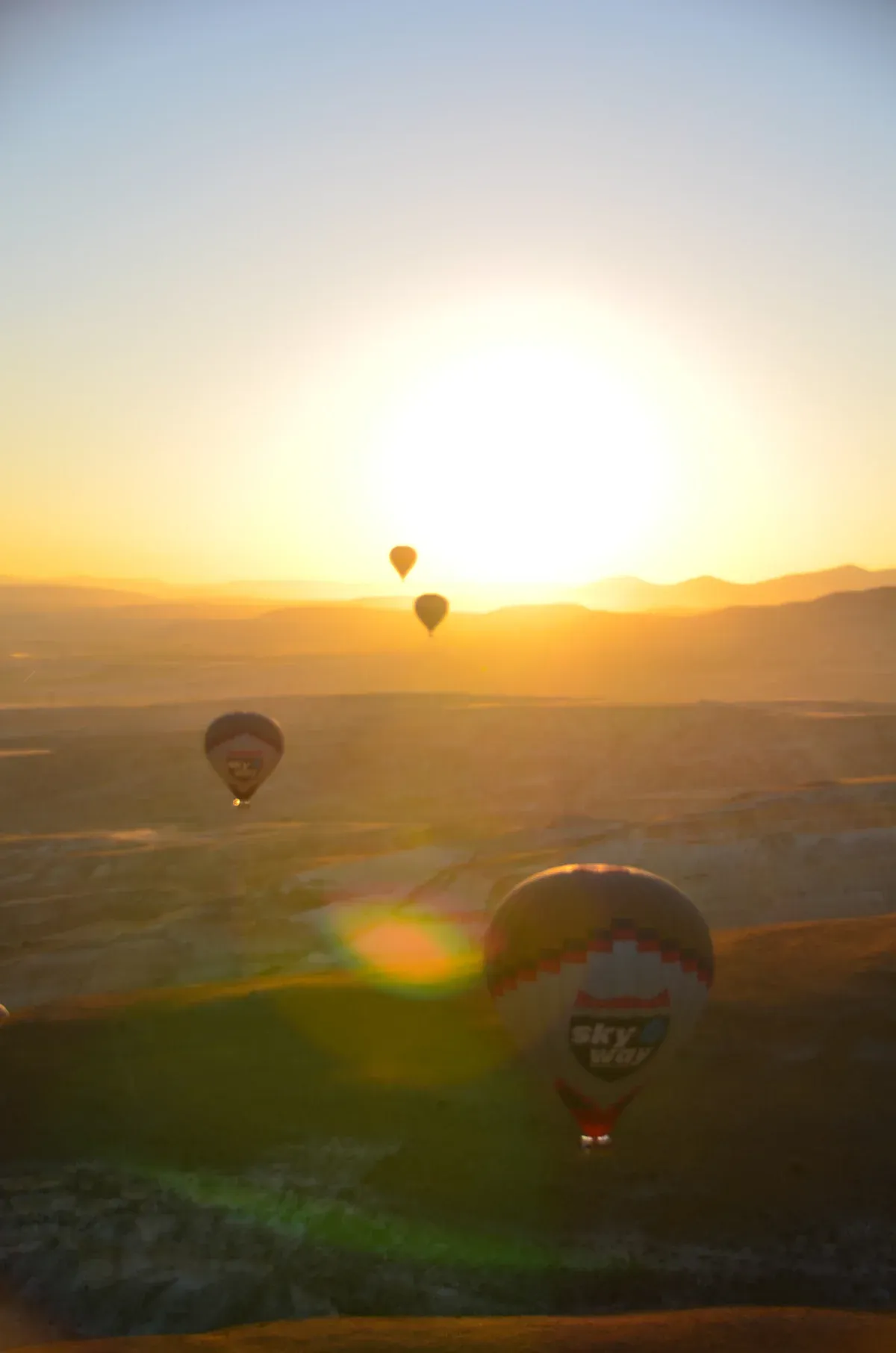
Photo: Kyle Lamothe, CC BY 3.0, via Wikimedia Commons
Snow on the Chimneys
Snow on the fairy chimneys is the signature photograph of the Cappadocian winter, and it is the reason many photographers choose the cold months on purpose. A few centimetres of white on the cones and ridges of Rose Valley or Sword Valley changes every frame. The light sits low all day, the shadows stretch long across the snow, and the tour coaches that crowd the viewpoints in high season are simply not there. You can stand at a Göreme panorama at first light and hear the wind.
The same quiet runs through the trail network. Valleys that carry a steady stream of hikers from spring to autumn empty out, and on a weekday in January you can walk an hour in Love Valley or the Rose-Red country and pass nobody. That solitude has a price, and it is worth stating plainly. The days are short, the cold is genuine, and shaded sections of rock hold ice after frosty nights. No official authority closes the valley trails in winter, so the judgement about a frosty ledge is yours to make. Wear boots with real grip and save the exposed ridge walks for the middle of the day.
The reward at the end of the walk is the other half of the winter bargain. A cave hotel is pleasant in summer and genuinely wonderful in a cold snap, because the rock that keeps the rooms cool in July holds the warmth in January. This is the season when staying in a cave room stops being a novelty and starts being the most sensible choice on the plateau. No hotel rates are printed by this site, so treat winter pricing as something to confirm directly with the properties you like.
Balloons on Clear Mornings
Balloon flying in Cappadocia does not pause for winter. Operators fly all year and launch at dawn in every season, and the operator figure most often quoted is about 260 flyable days a year across all weather. What changes in winter is not whether balloons fly but how the decision is made each morning. Every dawn is cleared by the civil aviation authority's Cappadocia office under a green-flag weather system. After a meteorological evaluation, a flight may proceed only on the joint decision of the operator and the responsible pilot. On a cold high-pressure morning with light winds and clear skies, the flags go up and the valley fills with envelopes.
On a snowy or foggy dawn the launch is cancelled, and this is where winter travellers need to understand the financial side. A weather cancellation means a full refund, so a grounded morning costs you nothing but an alarm. The practical response is to treat the flight as a probability rather than a certainty. A winter trip that genuinely needs the balloon should book two or three mornings rather than one, put the first attempt at the start of the stay so a cancellation can be retried, and keep the schedule flexible enough to move things around. If you are weighing how far ahead to reserve a place in a small basket, our guide on how far ahead to book a Cappadocia balloon covers it.
For the flight itself, a sunrise flight over Göreme with Nazar Balloons follows the standard winter script: hotel pickup before first light, breakfast while the envelopes inflate, roughly an hour in the air, then a certificate and a toast on landing. Dress for the cold on the ground, because you will stand around before launch far longer than you will feel the burners overhead. Read our full guide to Cappadocia hot air balloon rides before you choose an operator.
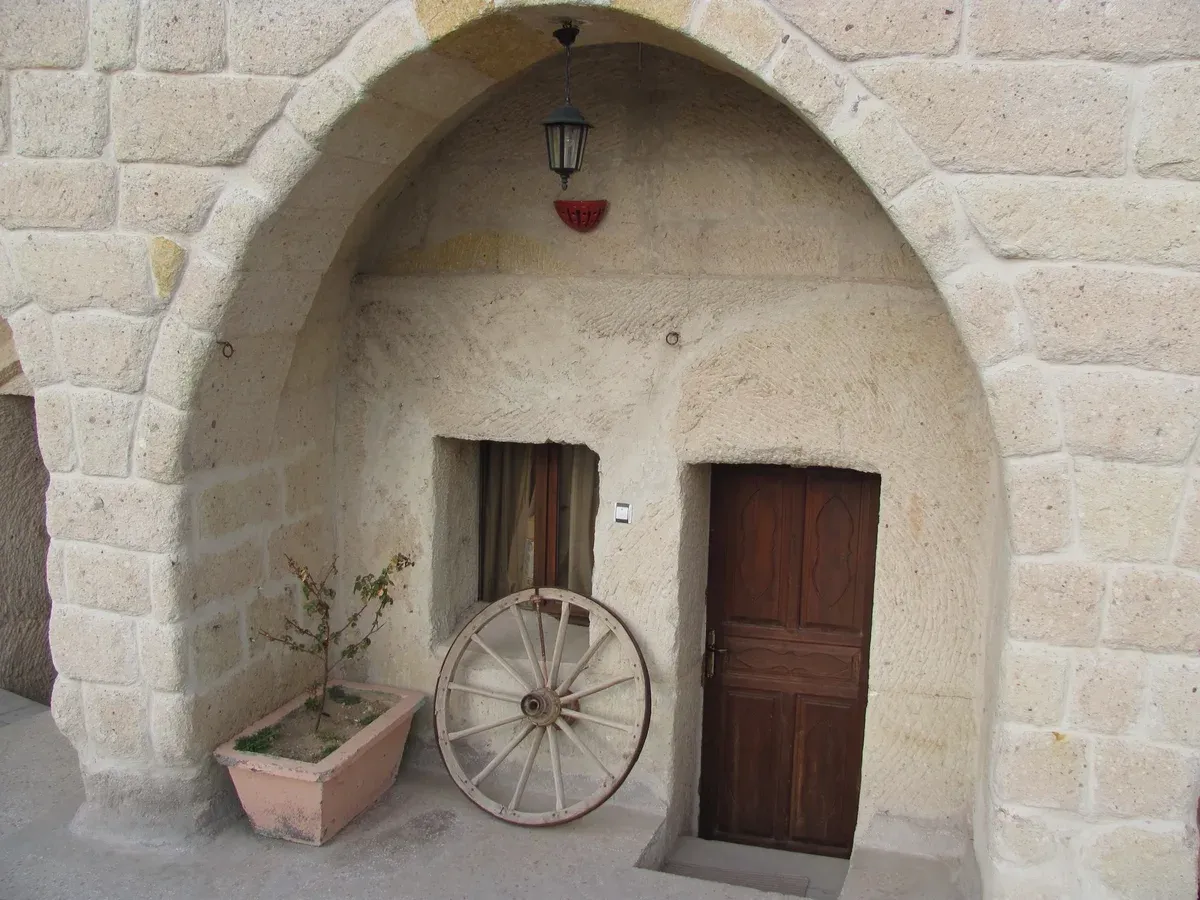
Photo: Slyronit, CC BY-SA 4.0, via Wikimedia Commons
What Closes, What Shrinks
Winter does not close Cappadocia, but it reshapes the day. The first change is daylight itself. The winter days are short, and a dawn balloon followed by a slow lunch can absorb a surprising share of the usable light, so plan the indoor and underground sites for the afternoon and be realistic about how many valleys fit into one day.
The second change concerns official hours. Winter opening hours for the museums are announced separately rather than published as a standing table, which means the schedule you find on the official museum site is the current one, and it can shift with the season. The ministry tends to adjust hours in autumn and announce the change through its news channels. The practical rule is to check the official museum page in the week you travel rather than trusting a screenshot from months earlier. For context, the schedule most recently listed has Göreme Open Air Museum at 08:00-18:45, the Dark Church at 08:00-20:00, Derinkuyu at 08:00-18:45, Kaymaklı at 08:00-20:00, Zelve-Paşabağ at 08:00-20:00 and İhlara at 08:30-19:00, all open every day.
Some things are closed regardless of season. Çavuşin church is shut for restoration whatever the month, and at Zelve the Balıklı and Üzümlü churches are officially closed year round. Uçhisar Castle has no officially published price or hours in any ministry system, so treat any figure you see elsewhere with caution.
Two winter notes round this out. Ice on shaded trail rock is a practical caution, not an official closure. No authority closes the valleys in winter. And one schedule quirk works in your favour: the Night Museuming session at the Göreme Open Air Museum runs 19:00 to 23:00 daily at $4.10 (TRY 200), which stretches a short winter day beautifully. Our page on the Göreme Open Air Museum has the full picture.
Who Winter Suits, and Who It Does Not
If You are a photographer chasing the valleys without crowds.
Winter is your season. Snow on the chimneys, low light all day and empty viewpoints are exactly what the cold months deliver. Bring spare batteries, because the cold drains them fast.
If You have visited Cappadocia before in high season.
A second visit in winter feels like a different region. The same valleys are quieter, the light is softer and the pace is slower, which suits travellers who no longer need to tick boxes.
If You are watching costs and can accept cancellation risk.
The low season trades discounts and emptiness for a real chance of a grounded balloon. If a full refund satisfies you when the weather turns, the trade works in your favour.
If You are a first-timer who needs everything guaranteed.
Winter is a poor fit. The balloon can cancel, the days are short and the weather is variable. If the flight is the whole point of the trip, aim for a more settled season instead.
If You are a long-distance hiker.
Short days and icy shaded rock limit big route days, and there is no official winter warning system for the trails. Treat ice as a personal judgement call and keep the exposed ridgelines for midday.
If You are travelling with small children.
Freezing pre-dawn starts, short daylight and no children under six on the balloons make winter logistics harder. Balloon operators do not accept children under 6 for safety reasons, which rules out the headline activity for young families.
Winter-Ready Tours from Göreme
These listings run through the cold months and match the winter rhythm of short days and weather-dependent mornings.
 from $103.04
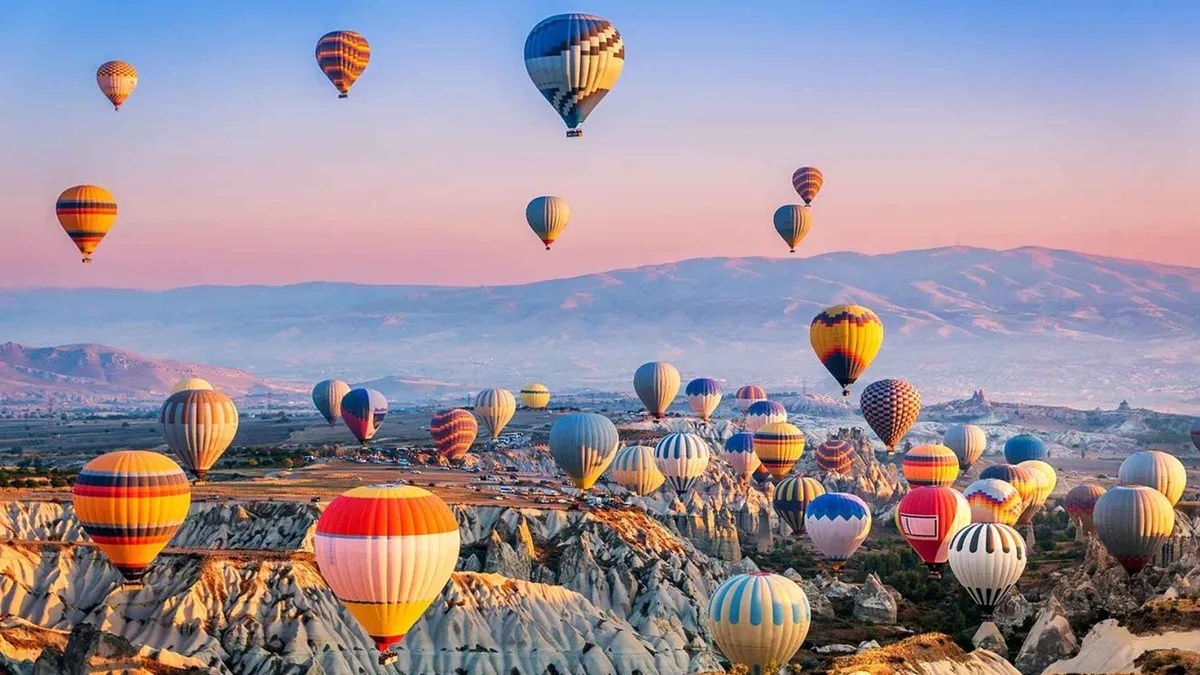
Cappadocia: Göreme Sunrise Balloon Flight Discovery Balloons
The valley classic: about an hour airborne over the Göreme cones at first light, with hotel transfers, breakfast at the field and a certificate after.
Check Availability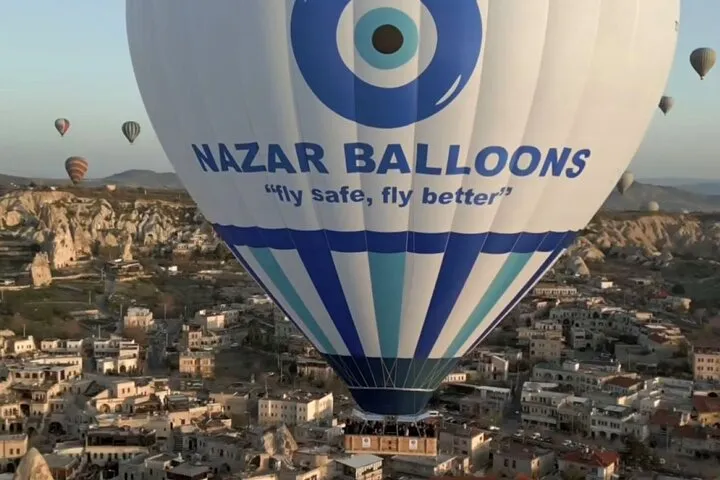 from $90.03
Sunrise Balloon Flight over Göreme — Nazar Balloons
The lowest listed price among the valley's big names, with the same dawn script: hotel pickup, breakfast, about an hour in the air, certificate.
Check AvailabilityPrices, ratings and details are the platform's own. dollar figures are the listed prices — the platform bills in your account's currency.
Winter in Cappadocia: Common Questions
Does it snow in Cappadocia?
Yes. Göreme sits at about 1,100 metres on the Anatolian plateau, and the climate normals show every winter month averaging sub-zero nights, with January the coldest at an average low of -4.4°C. Snow falls on the plateau every winter and can settle on the fairy chimneys for days at a time, since daytime highs hold in single digits and shaded rock thaws slowly. Precipitation of any kind lands on roughly 8 to 9 days in December and January, so snowfalls are regular rather than constant. The snow-on-the-chimneys photograph is a real, repeatable winter scene, not a rarity.
Do the balloons fly in winter?
Yes, the fleets fly all year with dawn launches in every season, and operators cite about 260 flyable days a year across all weather. Each morning is cleared under a green-flag weather system by the civil aviation authority's Cappadocia office, with the final go decision made jointly by the operator and the responsible pilot. A snowy or foggy dawn cancels the flight and a weather cancellation earns a full refund, so nothing is lost except the morning. If the flight matters to your trip, book two or three mornings and put the first attempt early in your stay so a cancelled dawn can be retried. Our guide to balloon weather explains the clearance system in detail.
Is winter a bad time for the valleys?
It is a different time, not a bad one. The trails are open and uncrowded, there is no official closure of the valley paths in winter, and snow under low light makes for the best walking photography of the year. The honest cautions are practical ones. Days are short, so plan fewer stops per day. Ice forms on shaded rock after frosty nights and no warning system covers it, so wear grippy boots and keep exposed ridges for midday. The museums, the underground cities at Derinkuyu and Kaymaklı, and the Zelve-Paşabağ site all stay open daily through winter, so the sightseeing base of any itinerary survives the cold intact.
What should I wear in Cappadocia in winter?
Dress for genuine cold, especially before dawn. January nights average -4.4°C and a balloon pickup happens well before sunrise, so you will stand in the coldest hour of the day while the envelopes inflate. Layers work best: thermal base, insulating mid-layer, windproof outer, plus a hat, gloves and warm socks. Boots with real grip matter more than fashion, because valley trails and museum paths hold ice and packed snow. Daytime highs reach only the mid single digits in midwinter, so the full kit stays on all day. In March, add a rain layer, since it is the wettest of the cold months.
Is winter cheaper in Cappadocia?
The low season is generally the value season, but honest sourcing limits what we can promise. This site prints no hotel rates, so we cannot quote winter room discounts, though the empty-valley logic of low-season pricing applies across the plateau. Two solid anchors we can give: the Night Museuming session at the Göreme Open Air Museum runs daily at 19:00 to 23:00 for $4.10 (TRY 200), and a weather-cancelled balloon flight refunds in full, which protects your budget if the dawn grounds. For the rest, compare your specific dates and properties directly. Our best time to visit guide frames the seasonal trade in full.
Cappadocia in Winter on Video
Cappadocia in Winter ❄️ | Snowy Landscapes, Balloons & Cozy Cave Hotels
A full walkthrough of the winter season, from snowy valley walks to the cave-hotel evening that ends the day.
Video: TOUR GUIDEHot Air Balloon in Winter, Cappadocia, Turkey (First flight of 2026)
What a clear cold dawn launch looks like from the basket, exactly the morning this page tells you to book for.
Video: Sarayu HanCappadocia in Winter! What to Expect, Things to Do, Balloons & Cozy Cave Hotels | Turkey Travel
A practical expectations check covering what stays open and what changes once the cold sets in.
Video: Travel Reviews